ADA Compliant Accessible Portable Washrooms: Navigating Rental Compliance
@spencerwdzh261
September 26, 2026 · 15 min read
Renting mobile toilets appears simple till accessibility goes into the conversation, and it needs to get in the conversation every time. For event organizers, home managers, districts, and any individual preparing momentary hygiene, the inquiry is not simply whether a toilet will certainly show up on time and obtain serviced properly. The inquiry is whether people with specials needs can really utilize it with dignity, safety and security, and independence.
That is where many otherwise mindful rental plans crumble. A person publications a financial institution of conventional systems for an event, a school fundraising event, a street fair, or a momentary public job, then assumes the biggest system in the lineup counts as certified. Or they bear in mind to buy one ada portable bathroom, yet place it on soft ground, behind an aesthetic, or at the end of a slim course that makes the system properly unusable. On paper, they tried. In practice, accessibility failed.
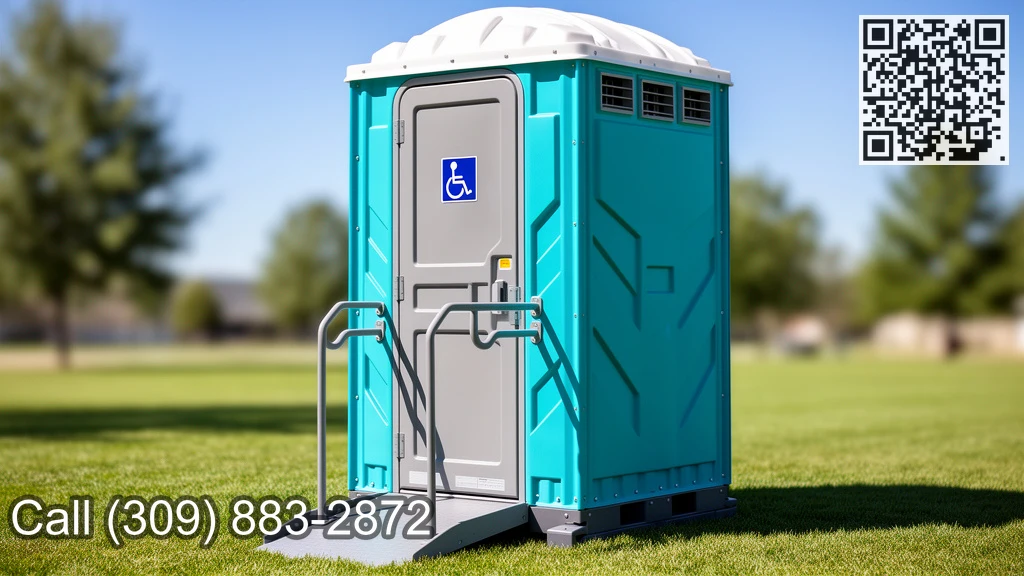
The government structure that matters here is the 2010 ADA Criteria for Accessible Layout, together with related interpretation from the U.S. Gain Access To Board and the Department of Justice. Those standards shape what counts as obtainable in the United States, consisting of for portable bathroom services in lots of public-facing setups. If you are arranging ada certified accessible mobile toilets, the best mindset is to assume past the unit itself. Compliance is not a sticker label on a door. It is the system, the path to it, the means it is determined, and the way it operates for the people that need it.
Where rental conformity typically obtains misunderstood
A great deal of complication begins with the expression itself. People utilize terms like ada certified mobile restroom, ada-compliant mobile bathroom, wheelchair unit, handicap portable, and extra-large restroom as if they all mean the very same thing. They do not. A roomy mobile bathroom is not automatically an available one. An ada handicap easily accessible mobile restroom has to satisfy availability needs, not simply use additional indoor space.
Another point of confusion is the count. When portable single-user commode units are organized together in a cluster, a minimum of 5 percent of the devices in that collection need to be accessible. The Access Board has made clear that this assumption applies even at momentary events. That matters due to the fact that lots of tenants presume temporary ways exempt. It does not, a minimum of not in the means people usually hope.
The expression "at least 5 percent" appears simple, yet in the area it often tends to increase instant preparation inquiries. If you are ordering a tiny collection, you do not round your obligation to zero in spirit. You prepare very early and ask the rental provider direct inquiries about how they handle accessibility scoping. The previously this happens, the easier it is https://troyfflm655.juniperbrief.com/posts/ada-portable-toilet-policies-for-short-lived-occasions-explained to position the systems correctly and prevent a late scramble.
There is also a slim however crucial distinction involving construction sites. The older 1991 criterion recognized an exemption for portable toilet devices at building and construction websites when those units are made use of solely by building workers. That limited point obtains duplicated out of context at all times. It does not wipe away accessibility obligations for general portable commode rentals offering the public, event participants, consumers, lessees, or combined individuals. If the rental serves a wider audience, you ought to not depend on that construction-only idea as cover.
The mobile bathroom is only component of the compliance picture
One of one of the most usual errors I see in availability planning is dealing with the device as the whole solution. It is not. You can rent a legit ada compliant portable commode and still create a hard to reach washroom area through inadequate placement.
The device must get on an easily accessible path. The entryway must come. If ramps or landings are needed, those functions additionally need to follow the relevant ADA technological requirements. That indicates a supplier can not just drop an obtainable unit in a place that requires individuals to go across mud, navigate deep gravel, capture via barriers, or technique from a steep improvised plywood ramp and call it good.
This is where rental compliance becomes useful instead of theoretical. The questions you ask prior to delivery commonly matter greater than the tag printed in the sales order. Where exactly will the device rest? Just how will someone reach it from parking, walkways, collecting locations, or the event entry? Will the surface stay secure if it rainfalls? Exists enough clear approach space as soon as secure fencing, generators, dumpsters, or crowd control barricades go in?
These details issue because ease of access criteria do not quit at the limit. An available portable toilet that can only be reached by a hard to reach path does not address the issue. It markets inclusion while providing exemption, which is typically even worse than an apparent oversight because it tells customers their requirements were thought about when they were not.
What makes a portable unit accessible
The technical needs for accessible commode spaces still apply to mobile systems. The device needs to accommodate called for clearances, transforming area, and door maneuvering clearances. It additionally has to comply with suitable regulations for grab bars and water closet clearances. The sensible takeaway is basic: if a supplier can not describe exactly how their accessible unit is created to meet those useful demands, you should keep asking questions.
The various other visible demand is recognition. Easily accessible portable bathroom systems need to be marked with the International Symbol of Availability. That sign is not ornamental. It helps individuals situate the appropriate system without guesswork, and it signifies that the unit is intended to satisfy availability criteria rather than simply offer extra room.
I have seen planners concentrate heavily on aesthetics, particularly at weddings, high end exterior events, and branded activations. They fret that accessibility markings or a bigger system will look out of location. That impulse is reasonable, yet it is the incorrect priority. If appearance issues begin driving bathroom positioning or option, accessibility typically experiences initially. People discover when a washroom area is inconvenient. They remember when it is unusable.
Temporary occasion does not indicate momentary obligation
Some of the hardest discussions occur with coordinators preparing short-duration events. They may just need bathrooms for eventually, one weekend, or one evening, so they assume the conformity burden have to be lighter. But the expectation for obtainable units in mobile single-user clusters still uses at momentary events.
That point is worth sitting with for a minute. A music event that lasts 8 hours, a church outing, a community parade staging area, or a downtown vendor market might all feel casual compared with an irreversible building. From the individual's perspective, however, the need is instant and really genuine. If somebody attends your event and can not make use of the washroom since the only available choice is missing out on or inadequately put, the momentary nature of the event does not soften the impact.
Short events additionally have a method of magnifying blunders. Permanent websites in some cases have backup options close by. Short-lived websites usually do not. If the ada available portable washroom is blocked by providing equipment, parked as well near a fencing, or set on a path that ends up being blockaded after rainfall, there may be no realistic alternative.
The most safe concerns to ask before you authorize the rental order
Most conformity issues appear prior to shipment, also if they are not acknowledged up until much later on. A short preparation discussion can stop a lot of expensive repairs and awkward apologies.
Here are the inquiries I would ask any type of portable toilet supplier or site group:
- How numerous systems are in the collection, and the amount of of those are accessible?
- Is the easily accessible unit plainly understood the International Sign of Accessibility?
- What website problems are required for an accessible path and entryway to function properly?
- If the placement needs ramps or landings, that is accountable for making sure those aspects fulfill ADA requirements?
- Can the unit be positioned so door navigating room and strategy are not blocked by various other equipment or fencing?
That list is short on purpose. You do not require a lawful workshop to identify threat. You need enough clearness to know whether the service provider comprehends ease of access as a genuine operational need, not an optional add-on.
Why site layout can silently threaten an otherwise certified rental
A rental contract may correctly consist of ada certified portable bathrooms, yet the last configuration can still stop working users due to the fact that the website advanced after the order was put. This takes place more frequently than individuals confess. An event map obtains modified. A food truck row broadens. Protection fence shifts. A sponsor tent declares the flatter section of pavement. Then the toilet financial institution gets pushed into the leftover space.
The leftover area is often the worst possible area for accessibility.
I keep in mind a short-term configuration where the available system itself was fine, however it had actually been placed near a mild grade to keep the main pathway looking clean. On paper, the layout looked efficient. Personally, the course narrowed at an edge where stanchions had been included after the reality, and the touchdown area before the door ended up being crowded with hand-sanitizer stands and trash bins. Nobody meant to produce an obstacle. They merely maintained making small decisions that treated the easily accessible bathroom area as versatile space. By opening time, ease of access had actually been endangered by a dozen minor changes.
That is why I constantly suggest coordinators to shield the toilet impact early. As soon as the obtainable device area is picked, safeguard the course and the maneuvering area around it as firmly as you would certainly secure an emergency exit or a fire lane. Access is not what remains after everybody else obtains their favored placement.
Compliance is wider than one guideline cycle
It is likewise beneficial to recognize the bigger environment around ADA responsibilities. Access enforcement is not reducing. If anything, the wider compliance setting has actually become more active throughout sectors. One current instance involved Department of Justice guidance expanding a target date for state and local government web and mobile access regulations into 2027 for bigger entities. That growth was not regarding portable bathrooms, but it mirrored something crucial: ADA compliance stays a real-time issue, and organizations ought to not anticipate ease of access responsibilities to fade into the background.
Why does that issue for an ada mobile commode rental? Due to the fact that it forms just how organizations should assume. Access ought to not be treated as a low-visibility information that just matters if a person whines. It belongs in regular preparation, procurement, public interaction, and website operations. Mobile hygiene is simply one item of that larger posture.
The language vendors use, and what renters ought to pay attention for
The bathroom rental industry utilizes familiar shorthand, and several of it is useful. Terms like ada mobile commode or ada mobile bathroom can aid identify the sort of system you require swiftly. At the same time, shorthand can hide voids if no one asks exactly what is being promised.
If a supplier claims they have ada compliant mobile commodes available, ask what they mean by certified. Ask whether the unit is meant to satisfy obtainable toilet-room demands, whether it is understood the access symbol, and what problems should feed on website for the setup to continue to be available. An excellent supplier should not be irritated by those questions. They must be ready for them.
This is particularly crucial when several parties are involved. An event organizer may buy the devices, a venue may accept placement, a site specialist may prep the ground, and a different operations group may reorganize close-by tools the early morning of the event. In those situations, access can fail the fractures since everyone presumes someone else is handling it.
I have found that a person sentence can cut through the obscurity: "We need this setup to continue to be accessible from arrival with use, not just at delivery." That language tends to move the discussion from sales terminology to real-world function.
When counting devices obtains tricky
The 5 percent rule for clusters appears cool, but short-lived websites are rarely cool. A typical grey area entails multiple bathroom groupings spread out throughout a building. One collection could be near the primary phase, another by the entrance, and one more behind a supplier location. If they work as different clusters, you need to think very carefully about access at each place rather than assuming one obtainable system somewhere on the residential property resolves every issue.
I am bewaring below since the realities gave assistance the 5 percent rule for each and every collection, and that is the reliable support. The practical lesson is to avoid a minimalist analysis. A solitary obtainable device put away from where people actually need one may please a person's paperwork reaction while falling short the spirit and likely the procedure of accessibility. Where individuals go matters. Range matters. Route high quality matters.
This is likewise where compassion develops judgment. An individual using a flexibility gadget ought to not need to leave one task location, traveling much further than everyone else, and browse a difficult route simply to reach the only functional bathroom. If your arrangement develops that experience, something regarding the planning likely requirements another look.
Construction websites should have cautious distinction
Because portable bathrooms are so common on task websites, individuals usually duplicate partial info concerning construction exemptions. The key difference is slim: portable commode systems at building sites made use of exclusively by building and construction personnel were treated differently under the cited 1991 basic scoping policy. That does not develop a covering exception for each portable commode put near construction activity, and it does not remove obligations for public-facing temporary washroom rentals.
This issues on mixed-use sites, phased developments, streetscape projects, and civic enhancements where construction activity overlaps with public gain access to. If portable devices are serving site visitors, consumers, residents, or event attendees, you must not delicately classify them under a construction-only exception and move on. The user population matters.
When unsure, care is typically more affordable than improvement. Getting and appropriately putting an ada compliant mobile bathroom from the beginning is simpler than safeguarding a slim reading of an exemption after a complaint.
A few indications that a rental plan needs an additional pass
Accessibility issues typically disclose themselves via regular planning language. If somebody says, "We'll tuck the obtainable unit out of the way," I fret. If the favored site is referred to as "close adequate" regardless of crushed rock, grade adjustment, or blockage, I fret. If the strategy relies on an improvised ramp without clear duty for compliance, I worry.
The patterns are familiar:
- the available system is gotten late, after the main design is already fixed
- the course is presumed as opposed to walked and tested
- nearby things are permitted to trespass on the entryway or handling area
- signage and identification are treated as optional details
- the team perplexes a bigger device with a compliant one
None of these problems are rare, and none need poor intent. They typically come from rush, fragmented obligation, or the assumption that momentary facilities can be handled delicately. That is why access planning works best when a single person has the question from start to finish.
What thoughtful conformity resembles in practice
Good rental compliance often tends to look unremarkable, which is specifically the factor. The accessible device exists in the appropriate proportion within the cluster. It is marked with the International Icon of Ease Of Access. The course to it is useful. The entryway functions. If ramps or landings are needed, they meet the appropriate demands. The room around the device has actually not been pinched by barriers, style, or utility tools. People who need the device can locate it and utilize it without needing to ask for special help.
That type of configuration does not happen by crash. It comes from groups that understand a fundamental truth: availability is functional. It resides in options concerning purchase, positioning, timing, guidance, and last-minute changes.
There is likewise a human side to this that usually gets shed in compliance talk. For lots of users, bathroom gain access to establishes whether they can stay, take part, work, enjoy an event, or feel welcome in any way. If the only ideal toilet is missing out on or unusable, individuals might need to leave early, limitation fluid intake, depend on companions, or withstand embarrassment that others never see. A compassionate technique to ada certified available portable washrooms begins there, with the lived fact behind the rule.
When you see the rental via that lens, the questions come to be clearer. Not "Did we purchase one?" yet "Can someone use it individually?" Not "Will this satisfy the list?" however "Would I fit safeguarding this configuration to the person who depends on it?"
That is the degree of treatment rental compliance should have. The standards develop the flooring. Thoughtful preparation is what turns that flooring into purposeful access.
 Ask ChatGPT
 Ask Grok
 Ask Perplexity
 Ask Claude
 Ask Google AI
 Ask You